Over the last few years we have seen an increasing focus on providing cross-border interlinkages for domestic payments systems that replicate the local payments experience for international transactions. However, Swift has now joined the growing crowd, with the addition of Pay by Alias to its platform solution.
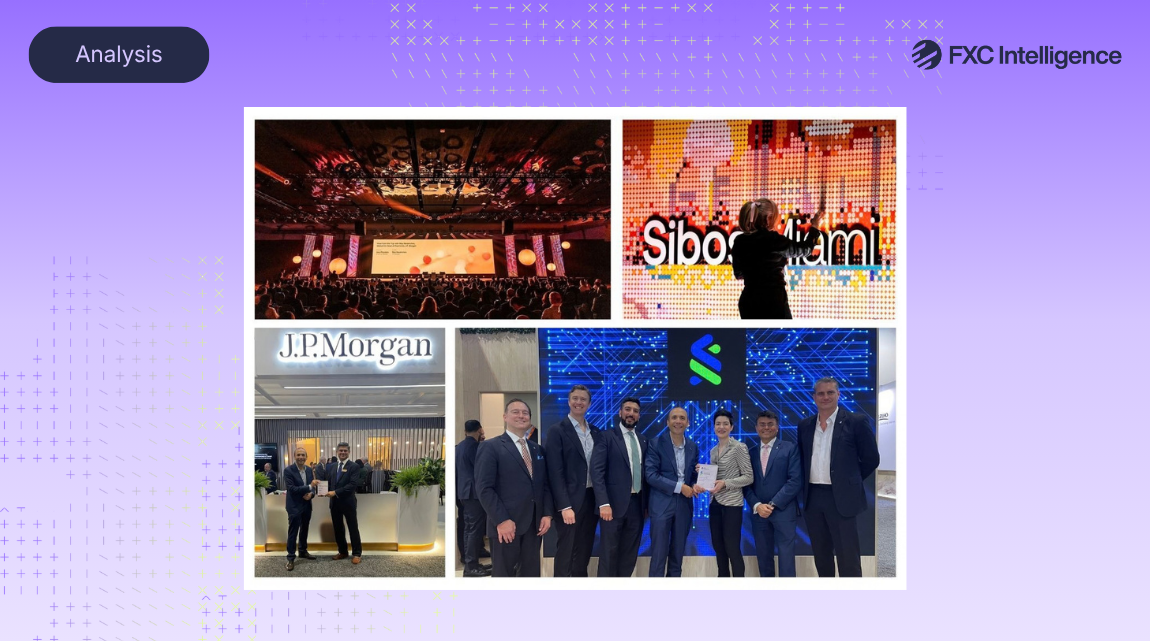
Announced at the start of its annual Sibos event in Miami, the solution is being characterised as an industry initiative that builds on Swift’s consumer payments scheme framework. It targets consumers who use aliases such as mobile phone numbers, email addresses or IDs for domestic payment systems, enabling them to send and receive payments internationally using those same aliases via Swift.
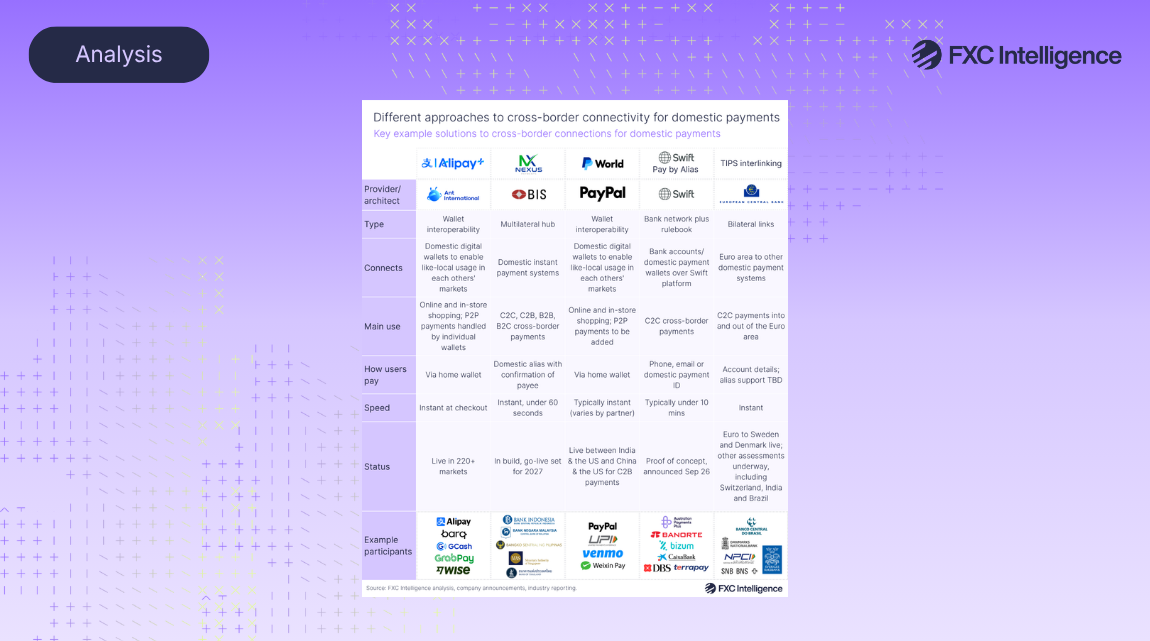
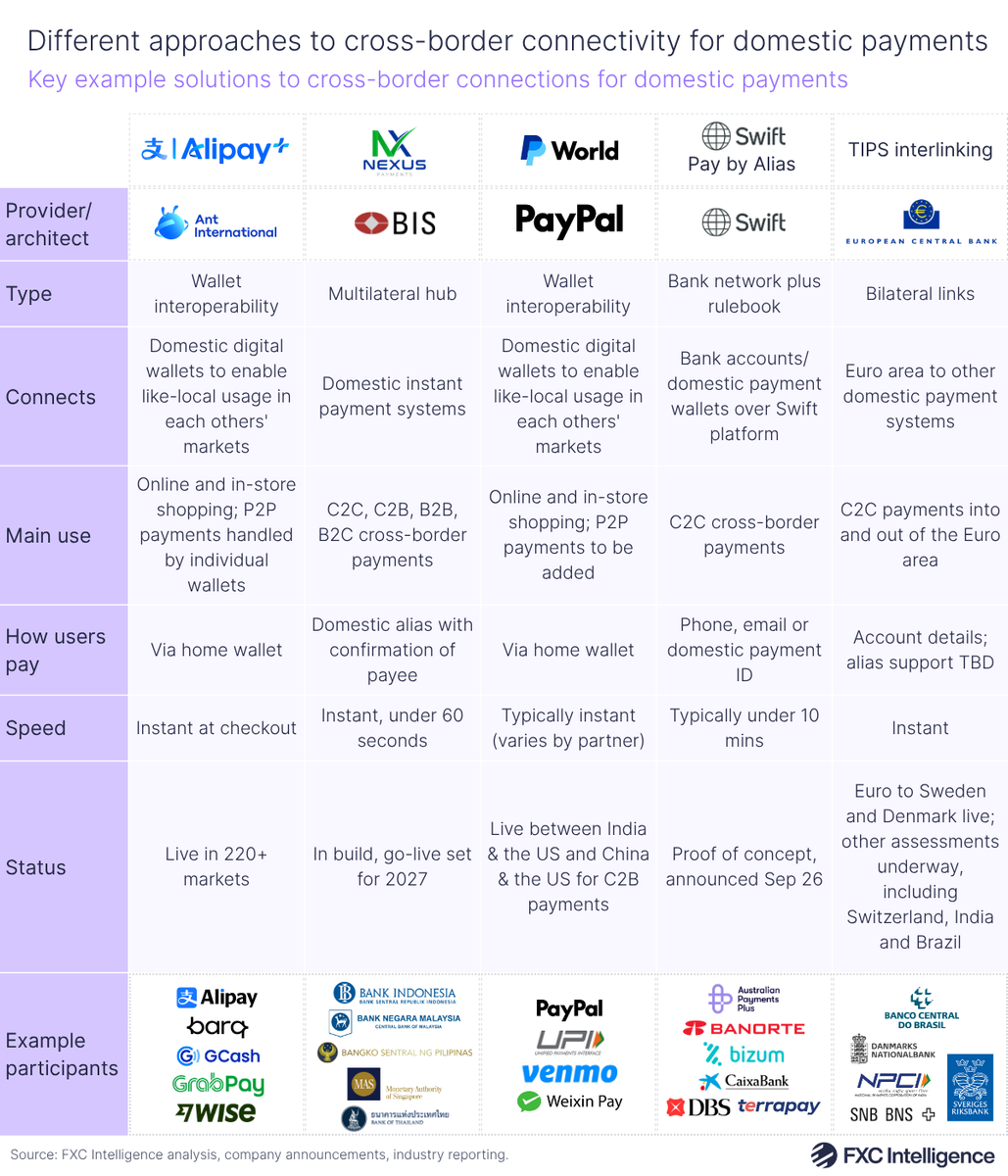
This is designed to make the international payment experience akin to the domestic one, reducing friction in the process as part of Swift’s broader bid to improve the end-to-end payment experience. This is a key target of its June-launched consumer payments scheme framework, which now has more than 100 banks participating. The Pay by Alias solution, meanwhile, has 14 named participating organisations at launch, including domestic systems such as Spain’s Bizum and Australian Payments Plus; banks such as Banorte, Caixabank and DBS; and digital wallet solution providers such as TerraPay.
It follows a wide range of other initiatives that are designed to interconnect domestic payment systems and in the process replicate the domestic payment system abroad. On the digital wallet side, Ant International’s Alipay+ enables customers of more than 50 participating wallets and neobanks to spend locally online and in-store in 220+ markets globally. Meanwhile, PayPal’s 2025-announced PayPal World is slowly building a similar solution, starting with connections between the US, Brazil and India.
There are also central bank-initiated solutions, which interlink domestic payment networks and so replicate the payments experience in key markets. Many individual countries have begun working to create direct bilateral linkages with other domestic systems, including Brazil’s Pix, as well as a number of Southeast Asian countries. The Eurozone’s TARGET Instant Payment Settlement (TIPS) system is a key example that is already connected to a number of other European countries and is now exploring further connections, including 2025-announced plans to connect to Switzerland and India. Last week it also announced that it was assessing the feasibility of interlinking with Brazil’s instant payment scheme Pix.
Meanwhile, the Bank for International Settlements’ (BIS) Project Nexus, which has now spun into a central bank consortium-run project dubbed Nexus Global Payments, is looking to interlink a host of domestic payment systems using a multilateral approach, starting with key participating central banks in Southeast Asia in 2027.
Many of these solutions are targeting different layers of payments infrastructure and so are not necessarily in direct competition, with a number of partners participating in several of the schemes. However, the consistent focus on localising the international payments experience is a striking theme across all of them, and speaks to a future landscape where the cross-border payments experience, if not the underlying reality, is more streamlined and familiar.